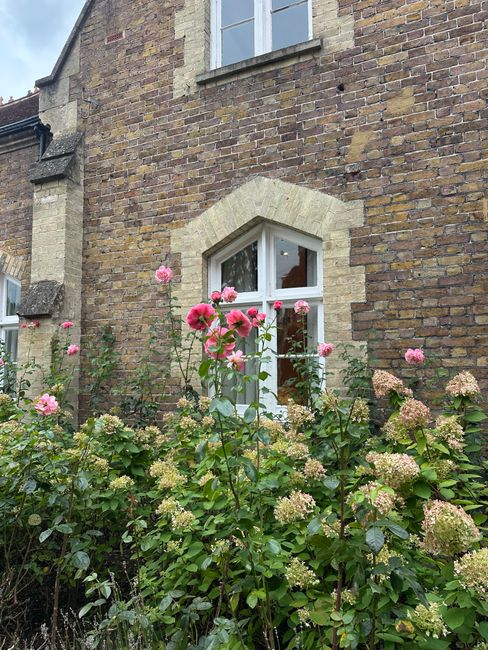
Before and after Osterley front garden makeover by gardeners
If your front garden has started to feel more like a pass-through than a welcome, you are not alone. In Osterley, front gardens often have to do a lot of heavy lifting: they shape first impressions, deal with awkward paving, soften hard boundaries, and still cope with the usual UK weather. A well-planned Before and after Osterley front garden makeover by gardeners is not just about making things look neat. It is about turning a tired, overgrown or plain frontage into something that feels balanced, practical, and genuinely cared for.
In this guide, we will walk through what changes usually make the biggest visual difference, how a front garden makeover is planned and delivered, which mistakes to avoid, and what to expect if you are considering one for your own home. You will also find a comparison table, a realistic example, and a checklist you can actually use. No fluff. Just the sort of advice that helps you make a good decision.
Table of Contents
- Why Before and after Osterley front garden makeover by gardeners Matters
- How Before and after Osterley front garden makeover by gardeners Works
- Key Benefits and Practical Advantages
- Who This Is For and When It Makes Sense
- Step-by-Step Guidance
- Expert Tips for Better Results
- Common Mistakes to Avoid
- Tools, Resources and Recommendations
- Law, Compliance, Standards, or Best Practice
- Options, Methods, or Comparison Table
- Case Study or Real-World Example
- Practical Checklist
- Conclusion
- Frequently Asked Questions
Why Before and after Osterley front garden makeover by gardeners Matters
A front garden is not a private corner that only you see on quiet Sunday afternoons. It is public-facing, visible from the street, and part of the way your home introduces itself. That is why the before-and-after difference matters so much. A front space that once looked cluttered, dark, or patchy can quickly become a crisp, attractive frame for the property once it is redesigned properly.
For many homes in Osterley, the challenge is not a lack of space. It is a lack of clarity. You may have a path that gets muddy every time it rains, a lawn that refuses to thrive, shrubs that have outgrown their welcome, or a layout that simply does not guide the eye anywhere. A thoughtful makeover can solve those issues without making the garden feel overdone.
There is also a practical side. Front gardens influence kerb appeal, but they can also improve drainage, reduce daily maintenance, create room for planting that suits the site, and help a home feel more secure and approachable at the same time. That balance is harder to get right than people expect. To be fair, it is where many DIY attempts fall down.
One of the best reasons to work with gardeners is that they see the whole picture. They do not just trim something and move on. They look at proportions, sunlight, entrances, soil, access, and how the garden will age over the next few seasons. If you want the before to become a genuinely better after, not just a tidier one, that broader view is the difference-maker.
For readers wanting deeper guidance on low-maintenance structure, these low-maintenance garden strategies are a useful companion piece. And if an overgrown frontage is the real starting point, the first steps to transforming an overgrown garden can help you understand the clean-up process before design even begins.
How Before and after Osterley front garden makeover by gardeners Works
A front garden makeover usually follows a simple but careful sequence. The visible transformation may feel dramatic, but the work behind it is methodical. That is important, because the best results are rarely the product of one big gesture. They come from small, well-judged decisions stacked in the right order.
First comes assessment. The gardener looks at what is there now: hard surfaces, existing planting, boundary conditions, light levels, drainage, and the level of day-to-day upkeep the property can realistically handle. A small shaded plot beside a busy road needs different choices from a sunny frontage with open soil and room for layered planting.
Then comes clearance and preparation. This might include removing dead planting, lifting tired turf, cutting back ivy, reshaping edges, or dealing with compacted soil. If ivy is climbing where it should not be, it often needs a firm plan rather than a casual tug. In some gardens, it behaves a bit like an unwelcome houseguest; it gets comfortable and refuses to leave.
After that, the new design takes shape. This could include a refreshed path, defined borders, new planting pockets, fresh mulch, a gravel or paving update, hedge trimming, or a new focal point near the entrance. The aim is to make the garden read clearly from the pavement. You want the eye to understand where to go first.
Finally, the finish matters. Edges are sharpened. Plants are spaced properly. Soil is topped up. The front garden should look finished, not merely worked on. If you have ever seen a makeover that looked great for a week and then slipped back into chaos, the missing ingredient was almost always finish and follow-through.
Depending on the brief, the work may link naturally with broader gardening services, or with a more design-led landscaping approach if the front garden needs structural changes rather than just planting and tidying.
Key Benefits and Practical Advantages
The obvious benefit is visual improvement, but that only scratches the surface. A well-executed front garden makeover can make a home feel calmer, more polished, and easier to look after. In practical terms, that means less scrabbling around with weeds, less water pooling in the wrong place, and less frustration every time you walk from the gate to the front door.
Here are the main advantages homeowners usually notice:
- Stronger kerb appeal: The property looks better from the street, which can matter whether you are staying for years or planning to sell later.
- Better layout: Paths, borders, and planting areas make more sense when they are designed together.
- Lower maintenance: Replacing difficult areas with the right planting or surfaces can reduce weekly chores.
- Improved drainage and resilience: A front garden can be adjusted to cope better with wet weather and seasonal wear.
- More privacy and softness: Strategic hedging and planting can make the frontage feel less exposed.
- Better year-round interest: Evergreen structure, seasonal colour, and tidy hard landscaping help the garden hold up across winter and summer.
There is also a less tangible benefit. A smart front garden tends to lift the whole mood of arriving home. It sounds small, but you notice it. The gate opens, the path feels intentional, and the space stops feeling like a problem you keep meaning to fix.
For homeowners who value sustainability, a makeover can support that too. Thoughtful planting, compost improvement, and weed reduction all help the garden work harder with fewer inputs. If that interests you, using organic waste to improve soil is a smart, practical angle. You might also appreciate the climate-friendly side of gardening.
Who This Is For and When It Makes Sense
Not every front garden needs a full redesign. Some only need maintenance, edging, or a bit of planting restraint. But there are clear moments when a proper makeover makes sense.
You may be a good candidate if your front garden:
- has become overgrown or uneven
- looks tired, sparse, or patchy all year round
- contains dated planting that no longer suits the house
- has poor access, weak drainage, or broken edging
- needs a better balance of hard and soft landscaping
- lacks privacy or structure near the road
- needs to be child-friendly, pet-friendly, or simply easier to maintain
It is also a strong option if you have moved into a property and inherited someone else's planting choices. That happens a lot, honestly. You stand there wondering why there is a giant shrub blocking the window and a patch of bare earth where a path ought to be. A makeover gives you the chance to reset the space to match how you actually live.
Front garden transformations are especially useful where space is limited. That is when smart structure matters more than size. If you are working with a compact frontage, ideas from space-efficient vertical gardening can help you think in layers rather than square metres.
And if the garden faces a lot of wind or exposure, design should account for that from day one. wind-resilient garden design is well worth exploring before you choose plants and boundaries.
Step-by-Step Guidance
If you are trying to picture how the transformation happens, this is the clearest way to think about it.
- Start with the brief. Decide what you want most: better appearance, less maintenance, more privacy, safer access, or all of the above. A good brief stops the project wandering.
- Assess the site properly. Check shade, drainage, soil condition, pavement edges, frontage width, and how much the garden gets walked through.
- Clear out what is not working. Remove dead growth, self-seeded weeds, broken edging, and plants that are simply in the wrong place.
- Set the structure. This may mean defining borders, repairing paths, installing edging, or deciding where hedges or feature plants should go.
- Choose the planting palette. Pick plants that suit the local conditions and the level of maintenance you can genuinely keep up with.
- Improve the soil. Compost, organic matter, and mulch all help a front garden perform better over time. Not glamorous, but very effective.
- Finish with detail. Clean lines, balanced heights, and tidy surfaces are what make the before-and-after change feel complete.
- Plan the aftercare. A makeover is only as good as the maintenance that follows it.
One sensible habit is to think in zones. The entrance zone should feel clear and welcoming. The boundary zone can handle hedges, screening, or taller planting. The low-maintenance zone might sit near the pavement where foot traffic or salt spray makes softer planting harder to sustain. It sounds obvious once written down, but many front gardens fail because everything is treated the same.
If you like neat, layered planting, you may want to combine ground cover, seasonal structure, and a few evergreen anchors. Ground cover plant ideas can reduce bare patches and help suppress weeds. For shadier areas, evergreen shade climbers can bring life to awkward vertical spaces without demanding endless attention.
Expert Tips for Better Results
A polished front garden is usually the result of good judgement rather than expensive materials. A few expert habits can make a noticeable difference.
- Keep the palette restrained. Too many plant types can make a small front garden look busy and unsettled.
- Use repetition. Repeating a plant or material gives the frontage a calm, confident feel.
- Design for all seasons. If everything only looks good in May, the front garden has not really been solved.
- Respect the view from the street. What looks fine from a kitchen window may feel cluttered from the pavement.
- Mix soft and hard surfaces carefully. A bit of structure makes planting feel more intentional.
- Choose plants for the site, not for wishful thinking. This is the big one. It saves a lot of disappointment.
Here is a simple truth: tidy edging and proportion often matter more than rare plants. A very ordinary planting scheme can look excellent if it is framed well. A lavish one can look messy if it is not. Gardening can be a bit unfair like that.
If privacy is one of the goals, do not rely on one solution alone. A blend of hedge heights, evergreen planting, and strategic screening usually works better than a single tall shrub. You may find the guidance on fast-growing hedges for privacy useful, especially where the front garden opens straight onto the street.
And if you know you want a garden that stays attractive without constant fuss, take a look at budget-friendly low-maintenance strategies. They fit front gardens beautifully.
Common Mistakes to Avoid
Front garden makeovers go wrong in predictable ways. The good news is that most of them are easy to avoid once you know what to watch for.
- Overplanting. People often cram in too much because the garden looks empty at the start. Six months later, it feels crowded.
- Ignoring maintenance. A design that needs weekly fussing may be fine for some homeowners, but not for everyone.
- Forgetting drainage. Waterlogged borders can undo a lot of good work.
- Using the wrong scale. Small spaces and oversized shrubs do not mix well.
- Neglecting the entrance path. The eye and the feet both need guidance.
- Choosing looks over resilience. Pretty but fragile planting tends to create disappointment in exposed or busy locations.
Another subtle mistake is making the garden too decorative and not practical enough. Front gardens need to survive real life: bins, deliveries, wet shoes, parcels, children, dogs, and the occasional rushed Monday morning. A decent makeover quietly absorbs that reality. It should not fight it.
For anyone worried about persistent weeds or invasive growth, a sustainable approach is often better than repeated chemical treatment. eco-friendly weed control can help you keep the space cleaner without making it harsh or over-sterilised.
Tools, Resources and Recommendations
You do not need a shed full of specialist kit to improve a front garden, but the right tools make the process safer and cleaner. A practical setup often includes basic cutting tools, a rake, a spade, a fork, edging tools, gloves, and a wheelbarrow or garden sack system for clearing waste. If you are doing any trimming, clearance, or edging work, having the right equipment saves time and reduces mess. A bit boring, perhaps, but essential.
For homeowners planning regular upkeep after the makeover, it helps to think beyond one-off work. Ongoing services such as garden maintenance, lawn care, and lawn mowing can keep the frontage looking sharp through the seasons. If the path or entrance hard landscaping has picked up algae, grime, or built-up dirt, patio cleaning may also help the whole space feel fresher.
If you are unsure about a bigger design decision, it can be useful to gather a few practical references rather than chasing perfect inspiration. A home that needs structure might benefit from considered decking services or fencing where boundaries or levels are part of the issue. If trees are affecting light, access, or the shape of the front garden, tree surgery may be part of the picture.
One more thing. If you are gathering ideas for tools and basic kit, this shed-tools guide is a useful checklist to compare against what you already own. And if you are just starting to garden properly, these beginner gardening tips are a straightforward read.
Law, Compliance, Standards, or Best Practice
Most front garden makeover work is straightforward, but good practice still matters. In the UK, responsible gardeners should work safely, avoid damaging boundary features, and take care when disposing of waste. If a garden borders a pavement or road, it is sensible to keep access clear during works and to avoid creating trip hazards. That is basic professionalism, really, but worth saying out loud.
Where tools, ladders, or heavy clearing are involved, safe working methods are important. Insurance, clear communication, and sensible risk control protect both the homeowner and the people doing the work. If you want to understand how a provider approaches this, the pages on insurance and safety and health and safety policy explain the kind of standards you should expect from a professional outfit.
It is also sensible to read the practical terms before any work begins. That includes terms and conditions, payment and security, and, if you are comparing providers or requesting estimates, pricing and quotes. Clear expectations reduce awkward surprises later. And nobody enjoys those.
Where boundary disputes, shared access, or tree-related concerns are involved, it can be wise to pause and check the situation carefully before any cutting or building starts. In some cases, a front garden makeover is more about careful coordination than design flair.
Options, Methods, or Comparison Table
There is no single way to refresh a front garden. The right method depends on budget, space, and how much change you actually want. Here is a simple comparison to help you think it through.
| Approach | Best for | Main benefit | Trade-off |
|---|---|---|---|
| Light refresh | Gardens that are already functional but tired | Quick visual lift with minimal disruption | Does not fix deeper layout issues |
| Planting-led makeover | Spaces with good bones but poor planting | Improves softness, colour, and seasonality | Needs the right maintenance plan |
| Hardscape-led makeover | Front gardens with broken paths or awkward access | Improves structure, drainage, and usability | Usually more disruptive and costlier |
| Full redesign | Overgrown, dated, or poorly laid out front gardens | Creates the biggest before-and-after change | Needs more planning and investment |
If the frontage is mainly about lawn condition, then the makeover may overlap with lawn mowing or longer-term lawn care. For homes where the boundary feels weak or exposed, fencing and carefully placed hedging may do more for the end result than extra planting alone.
Case Study or Real-World Example
Here is a realistic example from the kind of front garden project many Osterley homeowners recognise. The original space was modest in size, with patchy grass, a narrow path, and two shrubs that had outgrown their position. The entrance felt cramped, the soil was dry in one corner and sticky in another, and the whole frontage looked a bit forgotten.
The makeover began with clearance. One shrub was removed, the other was reduced and reshaped, and the border line was made clean again. The path was edged properly so it read as an intentional route rather than a strip worn through the middle of the garden. A small planting scheme replaced the tired patch of turf, using a mix of evergreen structure and lower-growing plants so the area would still look good in winter.
The front boundary got a subtle lift too. Not a wall of greenery. Just enough to soften the view from the road without hiding the house. The result was calmer, neater, and much easier to maintain. More importantly, it looked finished. That is the bit people often notice first when they compare before and after.
Expert summary: The strongest front garden makeovers rarely depend on one dramatic feature. They work because the layout makes sense, the planting fits the site, and the finish is tidy enough to stay tidy.
If you enjoy tidy, structured planting, you might also like ideas from advanced hedge techniques and beautiful garden seating design, even if seating is not part of the front garden itself. The design thinking carries across very well.
Practical Checklist
Use this checklist before, during, or after a front garden makeover. It helps keep decisions grounded.
- Clear the current issues: weeds, dead plants, broken edging, or poor access
- Decide what matters most: looks, privacy, upkeep, drainage, or all four
- Check how much sun, shade, wind, and exposure the frontage gets
- Choose plants that suit the site, not just the look
- Keep the planting palette simple enough to maintain well
- Make the entrance path feel obvious and safe
- Balance hard surfaces with soft planting
- Plan for winter as well as summer
- Leave room for realistic weekly maintenance
- Confirm safety, waste disposal, and any terms before work starts
If you want your front garden to stay attractive after the initial transformation, maintenance is not optional. A little attention, given regularly, beats a heroic rescue every couple of years. Much easier on the nerves too.
Get a free quote today and see how much you can save.
Conclusion
A good front garden makeover changes more than the look of a property. It changes the feeling of arriving home, the way the house sits in its street, and how much effort it takes to keep things under control. The before may be overgrown, uneven, or simply forgettable. The after should feel deliberate, welcoming, and manageable.
The best results come from practical choices: proper site assessment, honest maintenance planning, the right plants for the conditions, and a finish that holds together from the pavement view. If you get those parts right, the whole frontage starts to work much harder for you. And that is the real aim, isn't it?
For anyone in Osterley thinking seriously about a front garden refresh, the next step is simple: clarify what is not working, decide what you want the space to do, and speak with gardeners who understand both design and day-to-day upkeep. Small changes can do a lot. Sometimes more than you expect.
There is a real satisfaction in seeing a once-tired entrance become tidy, bright, and quietly confident. Worth doing properly.
Frequently Asked Questions
What does a front garden makeover usually include?
It often includes clearance, reshaping beds, improving soil, refreshing planting, edging paths, and sometimes hard landscaping or boundary improvements. The exact scope depends on the condition of the garden and what the homeowner wants from the space.
How long does a Before and after Osterley front garden makeover by gardeners take?
A small refresh can be completed quite quickly, while a full redesign may take longer because of clearing, preparation, and any hard landscaping involved. Weather, access, and material availability can all affect the timeline.
Is a front garden makeover worth it if I only have a small space?
Yes, often more so. Small front gardens benefit hugely from clear structure, restrained planting, and a neat layout. In compact spaces, the difference can be striking because every inch counts.
How much maintenance will the new garden need?
That depends on the design choices. A front garden built around hardy planting, mulch, and simple structure will usually need far less upkeep than one packed with high-maintenance varieties. A good gardener should discuss this early.
Can a makeover help with privacy?
Yes. Hedges, layered planting, and carefully placed screening can reduce exposure without making the frontage feel closed off. The key is to keep the design balanced rather than building a visual wall.
What if my front garden has poor drainage?
That should be addressed before planting heavily. Poor drainage can damage roots and create ongoing mess. In many cases, soil improvement, regrading, or surface changes may be needed to solve the issue properly.
Should I replace my lawn or keep it?
If the lawn is healthy and suits the space, it may be worth keeping. If it struggles because of shade, traffic, or poor soil, a smaller lawn or alternative planting may be the better option. It is a design decision, not a rule.
Are evergreen plants important in a front garden?
Usually, yes. Evergreen planting helps the garden look structured in winter and gives the frontage a steady backbone through the year. Even a small amount can make a big visual difference.
How do I avoid a makeover that looks too busy?
Stick to a limited plant palette, repeat key plants, and avoid filling every gap. Leaving a little breathing room gives the design confidence. Small spaces especially need that calmness.
Do I need professional help for a front garden makeover?
Not always, but professional help is useful if the garden needs clearing, drainage work, a new layout, or a design that has to perform well in the long term. A gardener can also help you avoid costly mistakes early on.
What should I ask before hiring gardeners for a front garden project?
Ask what is included, how long the work should take, what maintenance will be needed afterwards, and whether the project involves any safety, waste, or access considerations. It is also sensible to ask for clarity on pricing and quote details.
Can a front garden makeover improve kerb appeal without being expensive?
Yes. Tidy edging, selective planting, better structure, and a clearer path layout can create a big improvement without a huge budget. Often the most effective changes are the simplest ones done well.