What Osterley gardeners must know about Hounslow Council rules
If you garden in Osterley, you quickly learn that a tidy border or a well-cut hedge is only half the job. The other half is knowing where Hounslow Council rules may affect what you do, especially with trees, hedges, waste, boundaries, paving, and anything that changes the look or safety of a property. That may sound a bit dry, but it matters more than people expect. One missed step can mean delays, complaints, or expensive rework.
This guide gives you a practical, plain-English view of what Osterley gardeners must know about Hounslow Council rules. We will look at why the rules matter, how they tend to affect common garden jobs, what to check before starting work, and how to stay on the right side of local expectations without turning every project into a headache. Let's face it, most gardeners just want to get on with the work and leave the site looking better than they found it. That is exactly what this article is for.
Why What Osterley gardeners must know about Hounslow Council rules Matters
Garden work looks simple from the outside. A hedge is overgrown, so you trim it. A tree is crowding the boundary, so you prune it. A tired patch of lawn needs lifting, so you renovate it. In reality, the moment you touch trees, frontage, boundary structures, waste, drainage, access, or protected features, local rules and responsibilities can come into play.
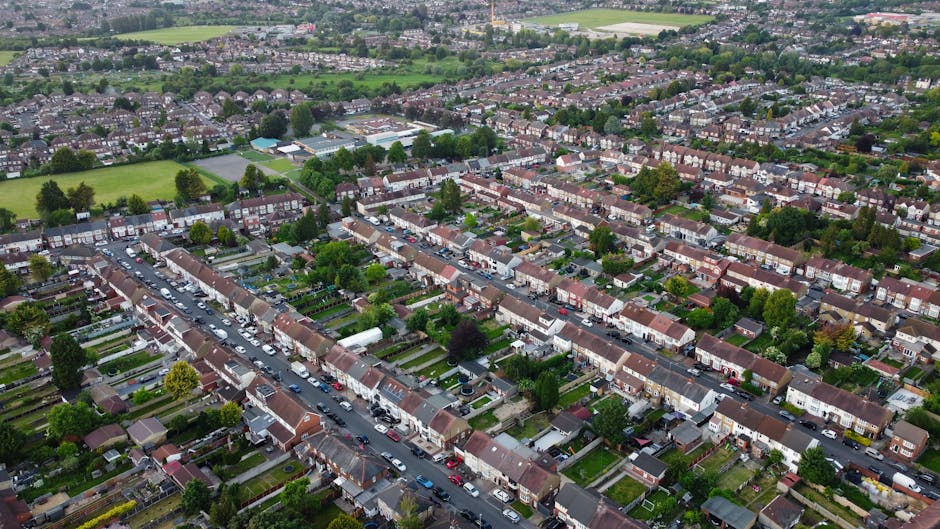
That matters in Osterley because the area has a mix of residential streets, mature planting, shared boundaries, older properties, and gardens where one small change can affect neighbours, pavements, visibility, or tree health. If you are working as a gardener, contractor, or keen homeowner, a little due diligence goes a long way. You do not need to memorise every council detail. You do need a working habit of checking before you cut, remove, build, or dispose.
In practical terms, the rules help prevent a few common problems:
- removing or damaging trees that may need permission or special care
- causing boundary disputes with over-zealous hedge cutting
- disposing of green waste incorrectly
- working on structures or surfaces in a way that creates drainage or safety issues
- starting a project that looks minor but turns out to have planning implications
For gardeners, rules are not just red tape. They are part of professional site management. They protect your work, your client, and the neighbourhood around you. If you are building a broader service around tidy, reliable outdoor care, it also helps to keep your approach consistent with the standards set out across pages such as health and safety guidance and routine garden maintenance.
How What Osterley gardeners must know about Hounslow Council rules Works
There is no single "garden rule book" for every task. Instead, different parts of a project can fall under different types of requirements. Some are planning-related, some are environmental, and some are simply best-practice expectations that avoid complaints and problems later on.
Here is the basic way to think about it:
- Identify the work. Are you pruning, removing, replanting, paving, replacing fencing, clearing waste, or altering a boundary?
- Check whether the work is routine or significant. Regular mowing is usually straightforward. Tree removal, heavy landscaping, or anything near a protected feature is more sensitive.
- Look for local constraints. These can include conservation considerations, tree protections, shared access issues, or neighbour impact.
- Plan the job accordingly. That might mean using different methods, adjusting timings, or asking for formal approval.
- Keep evidence. Notes, photos, written client instructions, and records of checks can save a lot of stress if questions come up later.
To be fair, most jobs never become complicated. But the difficult ones tend to be the ones where someone assumed "it's only a small tree" or "the hedge is on my side so I can do what I like." That is usually where the trouble starts. A quick pre-check can stop a small job turning into a long email chain. Nobody needs that at 7:30 on a wet Tuesday.
If the work is larger than a standard tidy-up, it is often sensible to discuss the scope in advance through a proper enquiry route such as pricing and quotes or make direct contact via the contact page. In some cases, a short conversation upfront is the difference between a smooth job and a messy one.
Key Benefits and Practical Advantages
Knowing the local rules does more than prevent problems. It improves the way you plan work and the quality of the finish. In our experience, the gardeners who manage local constraints well also look more organised, more trustworthy, and more careful. Clients notice that.
- Fewer delays. You spend less time rethinking a job halfway through.
- Better client trust. People feel reassured when you explain why a step matters.
- Cleaner site presentation. Planning waste removal and access in advance keeps the job tidy.
- Reduced dispute risk. Boundaries and overhanging growth are handled more professionally.
- Healthier planting decisions. Trees, hedges, and climbers are managed in a way that suits the site rather than forcing it.
There is also a business benefit. Gardeners who show awareness of local compliance are often easier to work with on repeat visits. That matters whether you are offering simple cuts or a full season of care. Services like hedge trimming in Osterley, tree surgery, and landscaping can all be improved by a careful compliance mindset.
Another quiet advantage: better garden outcomes. A well-timed prune or properly scoped repair usually performs better than a rushed one. You can see it in the spring growth, in the neat line of the boundary, even in the way the garden feels at dusk when it finally settles down.
Who This Is For and When It Makes Sense
This guidance is for more than professional gardeners. It is useful if you are a homeowner, landlord, tenant, property manager, or someone helping family members keep a property under control. If you are in Osterley and planning anything beyond basic upkeep, it is worth paying attention.
It makes the most sense when you are doing any of the following:
- cutting back large hedges near boundaries or pavements
- removing ivy, climbers, or dense growth from walls and fences
- working on mature trees or heavy branches
- changing the layout of a garden with new hard landscaping
- disposing of large volumes of green waste
- building fences, decking, seating areas, or retaining features
It also matters if your garden is already slightly overgrown. That first cut can reveal a lot: old trunk damage, boundary encroachment, hidden drainage issues, or plant growth that reaches beyond your own space. If you are staring at a jungle of ivy and wondering whether to start with the shears or the skip, you are not alone. A lot of people begin there. A useful starting point is this practical guide on transforming an overgrown garden.
And if you mainly want a low-risk route to a neat, manageable space, the same careful approach works well with regular maintenance and simple planting choices, especially in tighter urban gardens.
Step-by-Step Guidance
Here is a practical way to approach garden work in Osterley without tripping over local rules or common sense. Nothing fancy. Just a solid process.
1. Start with a visual survey
Walk the garden slowly. Look at trees, hedges, shared walls, fences, paving, drains, access points, and anything that sits close to a boundary or public space. Ask yourself: what could be affected if I cut, dig, lift, or remove this?
2. Separate routine work from sensitive work
Routine mowing, light weeding, and deadheading are rarely a problem. Bigger changes are different. Tree work, major hedge reduction, stump removal, hard landscaping, or drainage-related changes deserve a deeper check.
3. Check whether the work touches protected or shared features
This is where local awareness really helps. A tree may be on private land but still carry restrictions. A hedge may straddle a boundary. A wall may be shared. A patio extension may alter runoff. Not every site will raise an issue, but the ones that do can become awkward quickly if you do not spot it early.
4. Confirm responsibility before you act
If you are working for a client, clarify who owns the decision. If there is a boundary line, do not guess. If the garden sits within a managed estate or shared access arrangement, find out who needs to be informed. This is one of those moments where a tiny admin delay can prevent a much bigger problem later.
5. Choose the safest method
Use the least disruptive method that still does the job well. For example, selective pruning may be better than aggressive reduction. Mechanical excavation may be unnecessary where hand methods protect roots or utility access. If the task involves height or heavy material, factor in the right equipment and competent operators.
6. Handle waste properly
Green waste should be managed responsibly. Do not leave piles sitting at the kerb or assume the client will sort it later. If composting, recycling, or removal is part of the plan, state that clearly at the start. If you want ideas for turning organic material into something useful, this guide to bioconversion and organic waste is a useful read.
7. Record what happened
A few notes and photos can be invaluable. Record what was done, what was checked, and any visible issues that may need follow-up. If a question arises later, you will be glad you did.
8. Review the site after the work
Look at the finished job with fresh eyes. Is there a stump hazard? Has waste been cleared? Are fence lines still sound? Did pruning expose a problem that should be raised? That final walkaround is often where good gardeners separate themselves from merely fast ones.
Expert Tips for Better Results
Here are a few habits that make compliance easier and garden work smoother. They are not dramatic. They just work.
- Keep a boundary-first mindset. Before touching anything near a line, check ownership and likely impact.
- Use seasonal timing wisely. Heavy pruning, hedge reduction, and tree work are often better planned around the plant's growth cycle and nesting sensitivity.
- Think in layers. A job can be legal, but still poorly judged if it damages roots, soil structure, or drainage.
- Communicate in writing when the job is unusual. It saves awkward memories. People remember things differently after the fact, funny that.
- Match the method to the garden. Small city plots, mature suburban gardens, and compact terraces each need a different approach.
If privacy planting is part of the brief, work carefully rather than aggressively. A fast hedge screen is great, but only if it stays within tolerances and does not create unnecessary neighbour friction. This is where a guide like accelerating hedges for privacy can be a smart reference point. For more advanced shaping and structure, see advanced hedge techniques.
Also, do not underestimate wind and weather in west London. A tree or hedge that seems fine in summer can become a liability in winter gusts. If your site is exposed, a little thought about resilience helps, as explored in building wind resilience into garden design.
Common Mistakes to Avoid
Most garden compliance mistakes are not malicious. They happen because the work looks straightforward. That is exactly why they are common.
- Assuming every tree on private land is unrestricted. That is a risky assumption.
- Cutting boundary hedges without discussing the impact. Neighbours notice, even if they say nothing at first.
- Skipping waste planning. A beautiful cut becomes less beautiful when the waste bags block a driveway.
- Replacing soft landscaping with hard surfaces without checking drainage or planning implications. Small changes can have bigger consequences than expected.
- Working too close to a structure before checking ownership. Shared walls and fences can turn into debate clubs very quickly.
- Ignoring hidden hazards. Roots, cables, broken edging, and unstable ground all matter.
One small but real-world mistake is starting a hedge job on the wrong side of a boundary and only finding out once a neighbour comes out with a tape measure and a raised eyebrow. Not ideal. A five-minute check up front would have saved the whole scene.
If the garden is in poor shape already, it is even more important not to rush. A slower, staged approach is usually safer. The same applies to low-maintenance planning and softer planting choices. For that, budget-friendly low-maintenance strategies can help shape a simpler, more manageable plan.
Tools, Resources and Recommendations
You do not need a huge toolbox to stay compliant. You do need the right working habits and a few reliable tools.
- Measuring tape for boundary checks and clearances
- Camera or phone for before-and-after records
- Notebook or job sheet for permissions, instructions, and site notes
- Secateurs, loppers, and a pruning saw for controlled cutting
- Suitable PPE including gloves, eye protection, and sturdy footwear
- Wheelbarrow, sacks, or bins for controlled waste handling
For professional jobs, service pages such as gardening services, lawn care, lawn mowing, and patio cleaning can help frame the wider scope of a garden visit. And if a project involves access, boundary replacement, or making a garden safer and more secure, fencing is often part of the conversation too.
For plant choices, there are some useful supporting reads on the site as well. If you need dense greenery without constant fuss, ground cover plants can reduce bare soil. If you are wrestling with ivy, the guide on ending ivy problems is worth a look. Shade-heavy areas are covered nicely in evergreen shade climbers, which is handy for awkward corners where local constraints limit bigger changes.
Law, Compliance, Standards, or Best Practice
This topic touches local authority expectations, neighbour relations, property boundaries, environmental care, and safe work practice. So the right approach is cautious and methodical rather than casual.
In plain terms, gardeners in Osterley should treat these points as normal best practice:
- Check before altering trees or significant planting. Tree work can be sensitive even when it looks routine.
- Respect boundary ownership. Do not assume a hedge, fence, or wall belongs to the person nearest to it.
- Avoid creating nuisance. Noise, debris, dust, and access blockages can all cause complaints.
- Manage waste responsibly. Keep arisings controlled and removed in line with the agreed plan.
- Work safely at height and with machinery. That includes using competent methods and suitable protective equipment.
For contractors, the professional layer matters as much as the legal one. A good business should be able to explain its working method, insurance position, and customer process clearly. That is why pages like insurance and safety, terms and conditions, and payment and security matter. They tell clients that the job is not being handled casually.
And yes, some projects may need more care than others. If a job feels borderline, slow down and ask the sensible question: would I be comfortable defending this choice if a neighbour, client, or council officer asked about it later? That question alone prevents a surprising number of mistakes.
Options, Methods, or Comparison Table
Not every garden task needs the same level of checking. This comparison helps show where Osterley gardeners should be more cautious and where the work is usually simpler.
| Type of work | Typical risk level | What to check | Best practice approach |
|---|---|---|---|
| Lawn mowing and edging | Low | Access, noise, cleanup | Keep it tidy, avoid spillage, work within agreed times |
| Hedge trimming | Low to medium | Boundary lines, neighbour impact, waste | Measure carefully, communicate clearly, remove arisings |
| Tree pruning or removal | Medium to high | Protection status, root impact, access, safety | Check before starting, use competent methods, document work |
| New fencing or boundary works | Medium | Ownership, height, neighbour agreement, ground disturbance | Confirm lines, discuss with stakeholders, keep records |
| Patio, decking, or landscaping changes | Medium to high | Drainage, surface runoff, planning implications, access | Design carefully and check before changing the layout |
The point is not to make everything sound complicated. It is to show where the extra attention belongs. Most garden maintenance is straightforward. The moment you move into trees, boundaries, or hard landscaping, the level of care should go up.
Case Study or Real-World Example
A typical Osterley garden call might start as something simple: a client wants a hedge cut back, an apple tree lifted, and the back corner cleared so the garden feels bigger. On the surface, that sounds like a neat half-day job.
But once the site is inspected, a few things become obvious. The hedge runs close to the boundary line. The tree leans over a shared view line and has old pruning wounds. There is also a narrow paved strip near the rear that tends to hold water after heavy rain. Nothing dramatic, but enough to change the plan.
The sensible approach is to:
- confirm the hedge line and check the client's instructions carefully
- prune the tree conservatively rather than stripping it back too hard
- keep heavy waste off the saturated corner of the path
- finish with a clean site sweep and photographs for the job record
The result is not just a tidy garden. It is a garden that feels calmer, looks intentional, and avoids the sort of boundary conversation that can spoil a good day. That is the real win. Not a dramatic transformation, just competent work done properly.
If the project needs a broader refresh, combining maintenance with planting or layout changes can work well too. A garden seating area, for example, can be both practical and compliant if it is planned with access and drainage in mind. You can see that thinking reflected in garden seating design ideas and even family-friendly planning in stimulating garden spaces for children.
Practical Checklist
Use this checklist before taking on garden work in Osterley that could touch Hounslow Council rules or local responsibilities.
- Have I identified exactly what is being cut, built, removed, or changed?
- Have I checked whether any trees, hedges, walls, or fences are near boundaries or shared features?
- Do I know whether the work is routine maintenance or something more sensitive?
- Have I considered neighbour impact, noise, debris, and access?
- Is green waste removal or composting planned in advance?
- Have I taken photos or notes before starting?
- Do I have the right tools and protective equipment?
- Have I confirmed the client's instructions in writing if the job is unusual?
- Do I need a second opinion for a tree, boundary, or landscaping change?
- Have I reviewed the garden again at the end of the job?
If you can tick these off confidently, you are already doing better than a lot of hurried jobs that get started on instinct alone. And that is before we even talk about final presentation.
Get a free quote today and see how much you can save.
Conclusion
For Osterley gardeners, Hounslow Council rules are less about bureaucracy and more about smart, safe, neighbour-aware working. The best results usually come from a simple habit: check first, cut later. That one habit protects trees, avoids disputes, and helps each job finish cleanly.
Whether you are doing regular maintenance, planning a hedge reduction, reshaping a boundary, or taking on a larger landscaping project, the same principle applies. Keep the job clear, keep records, and never assume a sensitive feature is automatically straightforward. Small checks now can save a lot of bother later.
And if you approach garden work with patience and a bit of local awareness, you will often find the garden gives back more than expected. Not just in appearance, but in calm, order, and that satisfying feeling when everything sits just right in the evening light.
Frequently Asked Questions
Do Osterley gardeners need to check Hounslow Council rules before every job?
Not every routine job needs a deep check, but gardeners should always review anything involving trees, boundaries, hedges, waste, paving, fencing, or major layout changes. A quick check is usually enough for simple maintenance, while larger jobs deserve closer attention.
Can I cut back a hedge on my own property without asking anyone?
Sometimes yes, but it depends on whether the hedge affects a boundary, neighbour view, shared access, or a protected setting. If the hedge is near a line or forms part of a boundary, it is wise to check before cutting.
Is tree work in Osterley more sensitive than lawn or hedge work?
Usually yes. Tree work tends to carry more risk because of size, safety, root systems, and possible protection status. Lawn care and small-scale trimming are usually simpler, but tree jobs benefit from a more cautious approach.
What should I do before starting landscaping work?
Check drainage, access, boundaries, and whether the change is minor or substantial. For anything involving hard surfacing, new structures, or major soil disturbance, it is better to pause and verify the situation first.
How do I avoid neighbour complaints during garden work?
Keep noise, debris, and access issues under control, and communicate clearly about timing and scope. Most complaints come from surprise rather than the work itself. A short conversation often solves that.
Do I need to worry about garden waste disposal?
Yes. Green waste should be managed properly rather than left in piles or dumped casually. Whether you compost, bag, or remove it, plan the disposal method before the work begins.
What if I am not sure whether a tree or hedge is protected?
Do not guess. Treat the job as potentially sensitive until you have confirmed otherwise. If there is uncertainty, slow the work down and get clarification before making a permanent change.
Are fences and walls part of the same rules as planting?
They can be. Fences, walls, and planting often affect boundaries, access, and the appearance of a property. Even when the work is simple, checking ownership and responsibility is a sensible step.
What is the safest way to handle an overgrown garden?
Take it in stages. Start with access, then waste, then structural issues like trees, hedges, or hidden hazards. A staged plan is safer and usually produces a better finish than trying to clear everything in one go.
How can I tell whether a job is too big for a normal maintenance visit?
If the work involves tree surgery, heavy pruning, new paving, decking, fencing, or repeated visits to clear dense growth, it is likely beyond a simple maintenance call. That is usually the point where planning and quoting matter more.
Where can I get help if I want a professional to handle the work?
You can explore the site's service information, review the approach to safety and terms, and use the contact route to discuss the job in more detail. For larger or less straightforward work, that is often the best starting point.
Is it worth asking about compliance even for small jobs?
Yes, especially if the small job touches a boundary, a mature tree, or a shared feature. Small jobs are exactly where people tend to assume too much. A quick check is cheap insurance, really.