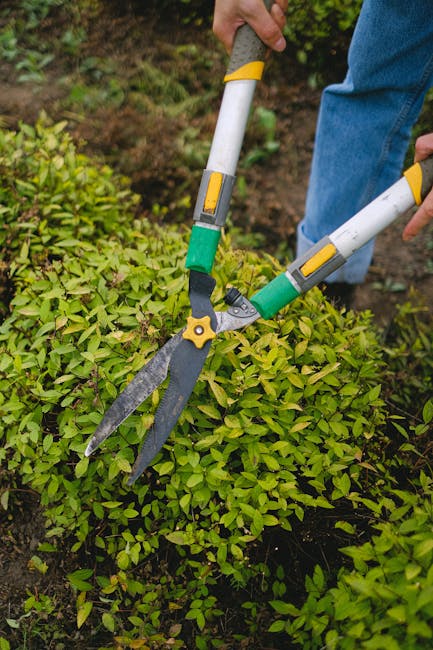
Real cost of weekly garden maintenance in TW7
If you are trying to pin down the real cost of weekly garden maintenance in TW7, you are probably past the "rough guess" stage. You want a number that feels believable, a breakdown that makes sense, and enough context to decide whether weekly help is worth it for your garden. Fair enough. In West London, costs can shift quite a bit depending on garden size, the amount of work involved, and how tidy you want the space to stay week after week.
This guide walks through what weekly maintenance typically includes, why prices vary, where the hidden costs usually appear, and how to judge value properly rather than just chasing the lowest quote. You will also find a practical comparison table, a checklist, and a few real-world examples from the sort of gardens people actually live with: small town plots, family gardens, heavily planted beds, and the occasional "it was fine in April, now it's a jungle" situation.
If you want a broader sense of what ongoing care can cover, it can help to look at a full garden maintenance service alongside specialist tasks such as lawn mowing and hedge trimming in Osterley.
Table of Contents
- Why Real cost of weekly garden maintenance in TW7 Matters
- How Real cost of weekly garden maintenance in TW7 Works
- Key Benefits and Practical Advantages
- Who This Is For and When It Makes Sense
- Step-by-Step Guidance
- Expert Tips for Better Results
- Common Mistakes to Avoid
- Tools, Resources and Recommendations
- Law, Compliance, Standards, or Best Practice
- Options, Methods, or Comparison Table
- Case Study or Real-World Example
- Practical Checklist
- Conclusion
- Frequently Asked Questions
Why Real cost of weekly garden maintenance in TW7 Matters
Weekly garden care is one of those things that looks simple from the outside and then quietly eats time, energy, and money if you leave it too long. In TW7, where many gardens are compact but often densely planted, maintenance needs can build up quickly. A few missed cuts, some wet-weather growth, a hedge that suddenly seems to have doubled in width, and the job starts to feel bigger than it should.
Understanding the real cost matters because it helps you budget properly and avoid false comparisons. A cheap quote may only include basic mowing, while a more complete weekly visit might cover edging, weeding, pruning, waste removal, seasonal checks, and a quick tidy-up of paths or patios. That difference is where most confusion starts.
It also matters for garden health. Skipping routine work can cause lawns to thin out, weeds to seed, shrubs to become leggy, and borders to lose shape. You do not always notice the damage in week one. Then, suddenly, there it is, usually after a spell of rain and one busy month on your calendar.
In practice, the weekly cost is not just a price tag. It is a decision about consistency, appearance, and how much work you want to carry yourself. That is the real conversation.
How Real cost of weekly garden maintenance in TW7 Works
Weekly maintenance pricing is usually built from a few simple ingredients: labour time, garden size, the type of tasks required, and access. If a gardener can move smoothly through the space, the job is quicker. If they have to work around narrow side access, heavy growth, broken paving, or awkward beds, the visit takes longer and the price rises accordingly.
Most weekly visits are structured around repeatable tasks. A typical session might include lawn edging, light mowing, weeding, deadheading, sweeping hard surfaces, checking for overgrowth, and basic plant care. In gardens that are more established, the work can also involve hedge shaping, cutting back fast-growing climbers, feeding where appropriate, or removing green waste.
One thing people often miss: weekly gardening is not always "the same job every time". Spring and early summer are usually more labour-heavy. By contrast, a quiet winter week may focus more on tidying, protection, and selective pruning. That means the real cost may be steadier than emergency clear-ups, but still flexible across seasons.
There is also the question of whether you are paying for maintenance only, or maintenance plus problem-solving. For example, if you already have an overgrown boundary, ivy taking hold, or a hedge that needs proper reshaping, a weekly gardener may need to spend the first few visits getting things back under control. In that sense, the early weeks can cost more than the later, easier ones. A very normal pattern, really.
Key Benefits and Practical Advantages
Weekly garden maintenance is not only about making a garden look neat for visitors. The benefits are more practical than that.
- It prevents small jobs becoming big repairs. A little weeding each week is much easier than a border full of established weeds.
- It keeps lawns healthier. Regular attention to mowing height, edging, and grass condition helps reduce patchiness and stress.
- It protects the look of the space. Most gardens hold their shape better when they are nudged along consistently.
- It can improve plant performance. Deadheading, selective pruning, and tidying around roots help many plants grow more cleanly.
- It saves time and decision fatigue. You do not have to keep wondering, "Should I do this now or next week?"
- It is often cheaper than rescue work. A neglected garden usually takes longer to restore than to maintain.
There is also a subtle emotional benefit. A garden that is kept under control tends to feel usable. You step outside, and it feels calm rather than confrontational. That sounds dramatic, but anyone who has looked at a waist-high patch of grass on a Monday morning knows exactly what I mean.
If your garden has shady corners, ground-level gaps, or climbing plants that keep returning, useful supporting reading can help you plan maintenance more intelligently. For example, ideas from ground cover planting or evergreen shade climbers can reduce the amount of bare soil and awkward weed-prone space you need to manage later.
Who This Is For and When It Makes Sense
Weekly maintenance makes sense for different people for different reasons. Some want a reliably tidy front garden. Others need help because their borders are too much to keep up with alone. And some simply want the outdoors to feel enjoyable instead of becoming a weekend burden.
It is often a strong fit for:
- busy households with little spare time
- older homeowners who still want a neat garden but prefer to avoid heavy work
- landlords who need presentation standards to stay consistent
- families with lawns, hedges, and beds that grow quickly in summer
- homeowners preparing a property for sale or regular entertaining
- people with planted gardens that need a steady hand rather than occasional big cuts
It makes less sense if your outdoor space is extremely low-maintenance, mostly paved, or naturally slow-growing. In those cases, fortnightly or seasonal visits may be enough. Truth be told, not every garden needs weekly attention. Some just need smart timing.
A useful way to think about it is this: if your garden changes noticeably in seven days, weekly care may be worth the cost. If it barely changes in a fortnight, you might be overbuying service.
Step-by-Step Guidance
If you are trying to estimate the real cost of weekly garden maintenance in TW7 for your own home, work through the process below. It sounds simple, but it saves a lot of guesswork.
- List the tasks you actually need. Separate mowing, weeding, hedge work, pruning, leaf clearance, patio sweeping, and plant care. Do not assume every gardener includes all of them.
- Measure the size and shape of the garden. Small can still be fiddly. Large can sometimes be straightforward. Shape matters more than people expect.
- Identify the difficult areas. Narrow side access, steps, dense planting, heavy clay soil, or tired fencing all add time.
- Decide your standard. "Kept tidy" costs less than "always photo-ready". Be honest about which one you need.
- Ask what weekly actually means. Some providers mean a full visit every seven days. Others may offer a lighter weekly touch with periodic heavier work.
- Check waste handling. Green waste removal may be included, charged separately, or limited by volume.
- Compare like for like. A basic mowing-only quote is not the same as a full care plan.
- Review after the first month. If the garden still feels unmanaged, the scope may be too narrow. If it feels over-serviced, you may be paying for tasks you do not need.
A very practical shortcut: ask yourself what would happen if the service stopped for two weeks. If the answer is "not much," weekly may be too frequent. If the answer is "everything would start looking rough," then the schedule probably makes sense.
Expert Tips for Better Results
Weekly maintenance only gives good value when the scope is tuned properly. A few small adjustments can make the difference between "nice enough" and "this is actually worth it".
1. Match service intensity to the season. Spring and early summer often need more attention than late autumn. You may not need the same checklist every month.
2. Keep pruning jobs separate where needed. Some hedge or shrub work is better handled as a scheduled extra rather than hidden inside every weekly visit. It keeps the pricing clearer.
3. Use maintenance to reduce future labour. If a bed is being overrun by weeds, look at whether ground cover, mulch, or a planting refresh could lower the weekly burden. A maintenance plan should not just react; it should make next month easier.
4. Be realistic about lawn quality. A well-kept lawn usually needs a regular mowing rhythm and occasional lawn care inputs. If the grass is thin, patchy, or mossy, weekly mowing alone will not magically sort it out.
5. Build in a little flexibility. Weather in West London can shift the schedule fast. After a windy spell, a dry run, or a warm wet week, gardeners often need to swap the order of tasks. That is normal.
6. Ask for prevention, not just appearance. Good gardeners notice trouble early: a clogged corner, a fence line that traps debris, a climbing plant that is moving too fast. That sort of attention is where weekly maintenance quietly earns its keep.
For readers who want to cut maintenance needs at the root, the article on budget-friendly low-maintenance strategies is a sensible companion read.
Common Mistakes to Avoid
People often overspend on weekly gardening not because the service is expensive, but because the scope is badly chosen. That is a frustrating one.
- Comparing one-off tidy-up prices with weekly maintenance quotes. They are different jobs and should never be treated as identical.
- Ignoring access issues. A narrow alley, a locked side gate, or awkward waste removal can add real time to every visit.
- Assuming all quotes include waste removal. They often do not. Always ask.
- Booking weekly care for a garden that only needs fortnightly care. More visits are not always better value.
- Leaving hedges, ivy, and climbers unchecked. These plants can quickly absorb time and push up maintenance costs. If ivy has become a problem, it is worth understanding the long-term implications with this ivy removal guide.
- Forgetting about seasonal spikes. Summer growth can make a stable weekly price feel "too high" only because the garden is suddenly asking more of the gardener.
- Not defining the finish standard. "Tidy the borders" and "fully weed the borders" are not the same instruction. Not even close.
One small but costly habit is asking for "just a quick tidy" every week and expecting the same result as a full maintenance visit. Quick is quick. That is usually the whole problem.
Tools, Resources and Recommendations
If you are comparing weekly maintenance providers or deciding what to keep in-house, it helps to know which tools and support materials matter most.
Useful tools for basic upkeep include:
- a decent pair of secateurs for light snips
- a reliable lawn mower for regular grass care
- a rake and broom for clearing debris
- weeding tools for borders and paving joints
- gloves that actually fit, which sounds obvious until you try a pair that does not
- a lidded bin or storage tub for small garden waste between visits
For homeowners who like a more structured approach, pages such as essential garden shed tools can help you identify what is worth keeping on site, while eco-friendly weed control ideas can reduce the pressure on weekly visits.
When a garden is more specialised, the support needs change. A planting-heavy space may benefit from a well-planned maintenance rhythm and advice from container gardening basics. A family garden may need safer pathways, clearer zones, and more durable surfaces, which is why it can help to read about kid-friendly garden design. And if your layout is very exposed, wind-resilient garden design can save you repeated clean-up later.
Law, Compliance, Standards, or Best Practice
For most domestic gardens, weekly maintenance is not a heavily regulated service in the way building works or certain trades can be. Still, good providers should operate with clear care around health and safety, insurance, waste handling, and customer expectations. That matters more than people think.
At a practical level, you should expect clear communication about:
- what is included in the service
- how waste is handled
- who is responsible for access
- what happens if weather prevents work
- how any additional tasks are quoted
- what safety precautions are taken when using tools or ladders
If you are arranging work that goes beyond basic tidying, it is sensible to ask about safety procedures and whether the provider has public liability cover. You are not being awkward. You are being sensible. The same goes for work involving heights, larger trees, dense hedging, or slippery hard surfaces.
For more detail on the standards a professional outfit should take seriously, review the site's health and safety policy, insurance and safety information, and payment and security guidance. If you ever need to understand how pricing conversations should be handled, the pricing and quotes page is also a sensible place to start.
If a job involves protected surfaces, fencing lines, or larger boundary work, specialist services may be more appropriate than weekly maintenance alone. In those cases, it may be better to look at patio cleaning, fencing, or even tree surgery where needed. The key is keeping the scope honest.
Options, Methods, or Comparison Table
Weekly garden maintenance is only one way to manage a garden. Depending on your property and lifestyle, a lighter or more targeted approach might make better financial sense.
| Option | Best for | Typical cost shape | Main advantage | Main drawback |
|---|---|---|---|---|
| Weekly maintenance | Busy homes, fast-growing gardens, presentation-focused spaces | Higher ongoing spend, steadier month to month | Consistent appearance and fewer surprises | Can feel costly if the garden grows slowly |
| Fortnightly maintenance | Medium-growth gardens, lower-maintenance plots | Lower monthly outlay | Good balance of value and upkeep | May let weeds and lawn growth get ahead in peak season |
| Monthly maintenance | Very tidy or slow-growing gardens | Lower ongoing spend, larger catch-up tasks | Cheaper in the short run | Often needs bigger jobs each visit |
| Seasonal or ad hoc visits | Rarely used gardens, second homes, light-touch spaces | Lowest regular commitment, higher peaks | Flexible and budget-friendly | Garden condition can slide quickly |
If your garden is mainly lawn-led, a focused package such as lawn care can sometimes be better value than broad weekly maintenance. If the space is more multifunctional, then a wider gardening services approach may give you the flexibility you need.
And if you are still undecided, the honest answer is this: compare the total annual cost, not just the weekly number. A service that looks more expensive at first may save you money by preventing bigger jobs later. That is often where the real value sits.
Case Study or Real-World Example
Here is a realistic example from the kind of garden often seen in TW7. A homeowner has a modest rear garden with a lawn, two borders, one hedge line, and a small paved seating area. In spring, the lawn thickens fast, weeds appear in the borders, and the hedge starts to lose shape. The owner works long hours and only has time for the odd Saturday job.
At first, they book an occasional tidy-up. It works for a while, then the garden rebounds. Three weeks later, there is more mowing, more edging, and more sweeping than before. The result? The garden never quite settles.
When the schedule changes to weekly maintenance, the work becomes lighter and more predictable. The lawn is kept at a manageable height, border weeds are removed before they spread, and the paved area no longer gathers the same amount of leaf litter and debris. The gardener also spots a hedge issue early and avoids a much bigger cut later.
Was it cheaper each week than the old system? Not necessarily. But over time, the owner paid for less catch-up work, fewer surprise jobs, and far less stress. That is the kind of saving people often forget to count.
Expert summary: the real cost of weekly garden maintenance in TW7 is not just the invoice total. It is the combination of labour, access, garden complexity, seasonal demand, and how much expensive catch-up work the service prevents.
Practical Checklist
Use this checklist before you agree to a weekly arrangement. It keeps the conversation grounded.
- Have I listed every task I want included?
- Do I know whether waste removal is included?
- Have I compared weekly care with fortnightly or monthly options?
- Is the garden actually complex enough to need weekly attention?
- Do I need lawn care, hedge trimming, or just general tidy-up work?
- Have I asked how weather affects the schedule?
- Do I understand what counts as an extra task?
- Have I checked the provider's safety and insurance information?
- Am I clear on access, gate codes, parking, and working hours?
- Have I looked at the total monthly and annual cost rather than only the weekly figure?
A quick extra thought: if you are trying to make the garden easier to keep, support the maintenance routine with clever planting. Pages like transforming an overgrown garden, winter plant care, and extreme-weather garden protection can help you think beyond the weekly visit itself.
Get a free quote today and see how much you can save.
Conclusion
The real cost of weekly garden maintenance in TW7 is best understood as a blend of labour, garden condition, service scope, and long-term value. If your outdoor space grows quickly, needs regular shaping, or simply falls apart when left alone, weekly care can be a very sensible buy. If your garden is naturally low-maintenance, a lighter schedule may be enough.
The smartest approach is to compare actual task lists, not just headline prices. Look at what is included, what is extra, and what kind of condition you want the garden to hold between visits. That is where the real answer lives.
And to be fair, once a garden starts feeling easy to live with, you notice it every day. In the morning light, after a bit of rain, even on a dull Tuesday. That kind of calm is worth planning for.
Frequently Asked Questions
What is the real cost of weekly garden maintenance in TW7?
The real cost depends on garden size, complexity, access, and the scope of work. A small tidy garden may be modest to maintain, while a dense or fast-growing space will cost more because it takes longer each week.
Is weekly garden maintenance better than fortnightly care?
Not always. Weekly care works best for gardens that grow quickly or need a consistently neat appearance. Fortnightly care is often better value for slower-growing or simpler gardens.
What is usually included in weekly garden maintenance?
Common tasks include mowing, edging, weeding, deadheading, sweeping paths, light pruning, and general tidying. Some providers also include waste removal or seasonal checks, but you should always confirm.
Why do quotes vary so much between gardeners?
Because no two gardens are identical. Labour time, access, hedge work, waste disposal, and the level of detail expected all affect the final price.
Does weekly maintenance include hedge trimming?
Sometimes, but not always. Hedge trimming may be part of a broader service or priced separately, especially if it requires ladders, extra time, or seasonal reshaping.
Can weekly garden maintenance help reduce future costs?
Yes. Regular attention often prevents larger jobs from building up, which can reduce the need for expensive rescue work later on.
What should I ask before booking a weekly service?
Ask what is included, whether waste removal is covered, how weather affects visits, what counts as an extra task, and whether the provider carries appropriate insurance.
Is weekly maintenance worth it for a small garden?
It can be, especially if the garden has lawn, borders, or quick-growing plants. But if the space is simple and slow to change, a lighter schedule may be more practical.
How can I make weekly maintenance more affordable?
Keep the scope clear, reduce unnecessary extras, use low-maintenance planting, and compare the annual cost of different schedules rather than just the weekly number.
Should I choose a general gardener or a specialist service?
If your garden mostly needs routine upkeep, a general maintenance service is often enough. If you need more targeted work such as lawn improvement, tree work, or fence repairs, specialist services may be better value.
What happens if my garden gets overgrown between visits?
If growth spikes after rain or during peak season, the next visit may take longer and cost more. That is one reason consistent weekly care can be useful in faster-growing gardens.
How do I know whether I am overpaying?
Check whether you are paying for tasks you do not need. If the garden stays tidy with less frequent visits, weekly maintenance may be more than necessary. A good quote should match your actual garden, not a generic package.