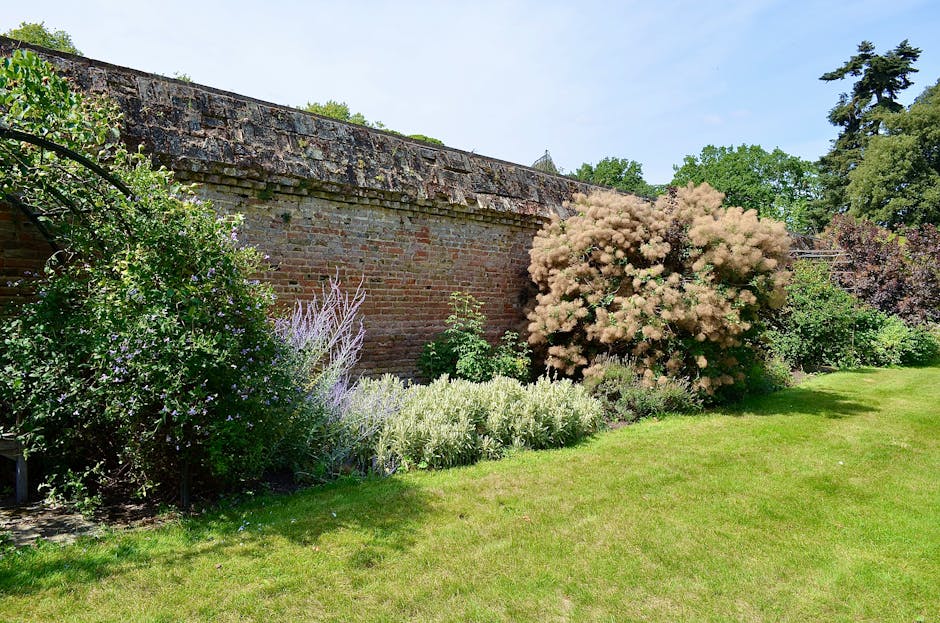
Osterley Park Garden Maintenance Guide for Historic Estates
Maintaining a historic estate garden is never just about keeping things tidy. It is about protecting character, balancing beauty with restraint, and making sure old planting schemes, lawns, hedges, paths, and trees still feel coherent year after year. This Osterley Park garden maintenance guide for historic estates is written for anyone responsible for an estate garden, period landscape, or heritage-inspired grounds where the job is as much conservation as cultivation. And yes, it can be a little more involved than a standard weekly mow. Truth be told, that is part of the charm.
In places like Osterley, the garden itself is often part of the story. Mature trees, clipped hedges, long views, gravel edges, seasonal borders, and old stone or paving all need a different touch from modern domestic gardens. In this guide, you will find a practical approach to maintenance that protects historic character while keeping the site healthy, safe, and presentable. If you are planning a broader upkeep programme, it also helps to understand the wider garden maintenance services that support long-term estate care.
Expert summary: historic estate gardens are best maintained with light, regular intervention, careful record-keeping, sympathetic pruning, soil-aware planting, and seasonal checks that prevent small issues becoming costly problems. Keep the character first, then the convenience. That simple order matters.
Table of Contents
- Why Osterley Park garden maintenance guide for historic estates matters
- How the maintenance approach works
- Key benefits and practical advantages
- Who this is for and when it makes sense
- Step-by-step guidance
- Expert tips for better results
- Common mistakes to avoid
- Tools, resources and recommendations
- Law, compliance, standards, or best practice
- Options, methods, or comparison table
- Case study or real-world example
- Practical checklist
- Conclusion
- Frequently asked questions
Why Osterley Park garden maintenance guide for historic estates Matters
Historic estate gardens do more than look elegant. They hold design intent, habitat value, drainage patterns, tree heritage, and often the memory of how the place has changed over decades. A neglected border may not seem urgent at first, but leave it and the whole composition can drift. Self-seeded trees appear where they should not, ivy creeps where it is not wanted, and once-clear sightlines become blocked. Suddenly the garden feels heavier, less open, less legible.
That is why maintenance in a heritage setting has to be purposeful. You are not simply clearing growth; you are making judgement calls. What should be preserved? What should be thinned? What needs replacing in kind, and what should be left alone because it is contributing to the historic character? Those questions are at the centre of good estate care.
In a place like Osterley, with its mature structure and formal feel, even small changes matter. A hedge cut too severely can throw off symmetry. A lawn treated too aggressively can lose texture and become stressed. A tree pruning job done without care can create an odd silhouette that sticks out for years. A little dramatic? Maybe. But not really. Gardens of this type are long memories.
Historic gardens also face modern pressures: heavier rainfall in some periods, longer dry spells in others, footfall from events or visitors, and the constant challenge of weeds and pests finding every weak point. If you want the estate to feel calm, coherent, and alive, the maintenance strategy must be steady rather than reactive.
For weeds around paths, beds, and shaded edges, a more considered approach often works best than a quick chemical fix. A useful starting point is the guidance in eco-friendly weed control without chemicals, which fits well with the lower-impact mindset historic grounds often need.
How Osterley Park garden maintenance guide for historic estates Works
The maintenance method is built around observation, gentle intervention, and consistency. That sounds simple, but in practice it means understanding the garden in layers. First you assess the structure: trees, hedges, lawns, paths, walls, water features, and the shape of the ground. Then you move into the living detail: perennials, climbers, ground cover, seasonal colour, and anything that is beginning to encroach or fail.
A strong heritage maintenance programme usually follows a cycle like this:
- Survey the garden for damage, disease, overgrowth, bare patches, drainage issues, and unsafe branches.
- Prioritise preservation so that original features and mature planting are protected before cosmetic tasks are tackled.
- Schedule seasonal work to match plant behaviour, weather, and visitor patterns.
- Use the right technique for each element, especially trees, hedges, lawns, and stone edges.
- Record what was done so the next round of maintenance builds on real knowledge, not guesswork.
This is where the difference between standard garden care and historic estate care becomes obvious. A regular domestic garden may tolerate a bit of improvisation. Estate gardens usually do not. They reward planning.
For example, hedge work is not simply trimming for shape. On a historic site, hedge height, line, and density can affect views, boundary definition, wind movement, and the overall sense of scale. If your estate has a formal edge or avenue planting, services such as hedge trimming in Osterley can support that cleaner, more controlled look without forcing an unnatural finish.
Likewise, lawn management is not just about cutting grass shorter. Historic lawns often need careful mowing frequency, soil care, edging, and attention to compaction. A lawn that looks immaculate in April may be looking tired by August if it is cut too low, too often, or in poor conditions. That is a common trap, by the way. Very common.
Key Benefits and Practical Advantages
Good historic estate maintenance delivers benefits that go beyond appearance. Some are obvious, others less so, but they all add up.
- Protects the character of the site by keeping original design features visible and legible.
- Improves long-term plant health through timing, restraint, and better soil care.
- Reduces expensive corrective work because issues are caught early.
- Supports safety by managing branches, slippery paths, unstable growth, and poor visibility.
- Helps the garden read properly so views, axes, and boundaries remain clear.
- Creates a better visitor experience in public or semi-public heritage settings.
There is also a subtler benefit: when an estate is maintained well, people sense it immediately. They might not be able to name why it feels right, but they will feel the order in it. The clipped line of a hedge, the softness of a border, the freshness of a swept path, the right amount of moss left on an old wall rather than scrubbed to death. These small things matter more than many realise.
Historic grounds often need a balance between formality and biodiversity. A little ground cover can prevent erosion and suppress weeds, while carefully chosen climbers or shade plants can soften harsher corners. If you are looking to improve those trickier edges, ground cover plants for UK gardens and evergreen shade climbers can be useful references for the right kind of softening.
Who This Is For and When It Makes Sense
This guide is for estate managers, private owners, grounds teams, trustees, gardeners, and anyone responsible for a historic or heritage-style landscape. It is also helpful if you have inherited a large garden that has the bones of an old estate, even if it is now in private residential use.
It makes sense when:
- the garden includes mature trees, formal hedges, lawns, or traditional borders;
- there are historic or decorative elements you do not want to damage with heavy-handed work;
- the grounds must stay presentable across seasons, events, or visitor periods;
- you are dealing with long-neglected sections that need a careful reset;
- you want a maintenance plan that reduces future repair and replanting costs.
It is also relevant if your site has been suffering from creeping ivy, self-set saplings, or shade loss under mature trees. Those problems rarely solve themselves. In fact, they usually just become more interesting in the least helpful way possible.
If the garden has been left for a while and needs a phased recovery, first steps to transforming an overgrown garden is a sensible companion read. It is especially useful when the job looks intimidating at first glance, which, let's face it, is often the case with older grounds.
For those comparing support options, it may help to review gardening services, lawn care, and tree surgery in relation to the scale and condition of the site.
Step-by-Step Guidance
If you are building or refreshing an estate maintenance routine, start with this sequence. It is practical, not glamorous, but it works.
1. Walk the whole site before touching anything
Begin with a full walkaround, ideally at the same time of day each time so light and shade are comparable. Look for weak growth, broken stems, drainage pooling, path encroachment, dead wood, compacted turf, and signs of pests or disease. Make notes. A phone photo helps too. Not because you need a cinematic archive, just because your memory will be lying to you by next week.
2. Separate urgent work from aesthetic work
Safety comes first. Remove hazards before tackling visual polishing. If a branch is damaged, a path is slippery, or a hedge is blocking sight lines, that work rises to the top. Cosmetic detailing can wait a little. Trees or large woody plants should be handled with extra care, and in some cases by specialists, particularly where form, age, or access is complicated.
3. Protect the estate structure
Historic gardens have a visible framework: avenues, hedges, boundaries, lawns, specimen trees, and long views. Before you alter planting, ask what supports that structure. A border can be replanted. A wrong-shaped tree cannot always be "fixed" quickly. Use restraint with anything that defines the garden's geometry.
4. Manage hedges and climbers with intention
Hedges should be cut to maintain density, not stripped bare. If the site has architectural planting or privacy screens, the cuts must respect the existing line and height. Climbers need their own discipline too. Ivy, for example, can be useful or destructive depending on where it is and what it is climbing. If you are dealing with persistent growth on masonry or trees, this guide to managing ivy is worth reading closely.
5. Treat lawns as living surfaces, not carpets
Historic lawns are often part of the formal setting, which means mowing height, aeration, feeding, and edge definition all matter. Avoid cutting too short in hot, dry weather. Watch for worn routes, shade stress, and patches where the soil has become sealed. A lawn with good structure is far more resilient than one that only looks neat on the day of cutting.
6. Maintain borders with seasonal logic
Borders should be refreshed to support succession, not churned for novelty. Cut back tired material at the right time, feed where needed, and keep an eye on plants that are too dominant. In some parts of an estate, low-maintenance planting can provide a stable framework. In others, carefully chosen seasonal detail is what keeps the site alive. It is a balance.
7. Compost, recycle, and improve the soil
Historic grounds create a lot of green waste, and that is not a problem if it is handled intelligently. Composting and soil-building reduce disposal pressure and improve the ground over time. Organic matter can turn tired soil into something much more workable. For a practical overview, organic waste conversion into nutrient-dense earth explains the value of turning garden material back into the system.
8. Review, record, and adjust
At the end of each cycle, note what worked and what did not. Which area dried out fastest? Which hedge responded badly? Which path grew slippery too quickly? Those notes are gold. They make the next season calmer and more efficient. A lot of estate gardening is really about remembering properly.
Expert Tips for Better Results
These are the small habits that make a big difference on historic grounds.
- Use light, repeated intervention rather than dramatic cuts. This keeps structure intact and reduces plant shock.
- Work from the outside in. Tidy boundaries, paths, and access routes before refining feature areas.
- Let mature planting tell you what it wants. Some plants will thrive if lightly thinned, others need shelter and stability.
- Respect old materials. Gravel, stone edging, brickwork, and ironwork all age differently and should not be cleaned or treated the same way.
- Plan for weather extremes. Older gardens can be surprisingly vulnerable to wind throw, drought stress, and heavy rain scouring.
Wind is worth thinking about more than people often do. Large estates have open exposures, long run-ups, and sheltered pockets. If you have ever seen a newly flailed shrub after a rough week of weather, you will know what I mean. The garden wind resilience guide offers practical ideas that fit estate-scale planting and protect softer sections.
Another tip: use ground cover where bare soil keeps appearing. It helps hold moisture, reduces splash, and gives the garden a finished look without making it overcomplicated. For shady or awkward spots, pairing ground cover with the right climbers or vertical layers can make a tired corner look thoughtful rather than neglected.
And please, do not be too quick to "standardise" everything. Historic gardens are not meant to look machine-made. A little variation in texture, age, and growth habit is part of the beauty. That said, don't let it become a mess either. Bit of a tightrope, really.
Common Mistakes to Avoid
These are the errors that most often damage historic estate gardens, or at least make them harder to recover later.
- Over-pruning mature shrubs and hedges so they lose shape and density.
- Cutting lawns too short in dry spells or during stress periods.
- Letting ivy climb unchecked on trees, walls, or structures where it becomes intrusive.
- Using the same maintenance method everywhere instead of adjusting for soil, exposure, and plant age.
- Ignoring drainage problems until the path sinks, the lawn puddles, or root systems suffer.
- Removing too much habitat value in the name of tidiness.
- Failing to record seasonal changes so the same problems repeat every year.
A common one on older sites is trying to "neaten" everything at once after a period of neglect. It feels satisfying in the moment. Then the site looks stripped, the soil is exposed, and the garden loses depth. Better to work in phases, allowing the space to recover as you go.
If the estate has seating areas, children's access, or family-use zones, think about how maintenance choices affect movement and use. Safe, functional layouts are easier to maintain long-term. You can also look at garden seating design if you need ideas for making rest areas feel integrated rather than bolted on.
Tools, Resources and Recommendations
You do not need a shed full of specialist gadgets to maintain an estate garden well, but you do need the right tools in good condition. The basics include secateurs, loppers, hand forks, rakes, edging tools, a reliable mower, hedge trimmers, wheelbarrows, and clean-up equipment. For larger grounds, leaf clearance and waste movement become a serious part of the job, not an afterthought.
It also helps to keep a simple system for routine inspections, weather notes, and work logs. Nothing fancy. A paper sheet, a spreadsheet, or a shared digital record all work if they are used consistently. The point is to create memory for the site.
Useful supporting services and reading for estate-scale work include:
- lawn mowing for ongoing turf presentation;
- patio cleaning for stone and hardscape presentation;
- fencing where perimeter integrity matters;
- decking services if there are contemporary garden features that still need careful upkeep;
- pricing and quotes when you are weighing up the scale of planned work.
For seasonal resilience, especially during cold snaps, check how to keep garden plants thriving in winter. It is one of those topics that feels obvious until the first hard frost catches a tender section off guard.
And if your estate has a lot of mixed-use space, from formal areas to family-friendly lawns, it may help to compare maintenance with broader practical design ideas. The pieces on low-maintenance strategies and stimulating garden spaces for children can guide choices that are easier to keep up over time.
Law, Compliance, Standards, or Best Practice
Historic estate maintenance can touch on safety, access, waste handling, tree work, and privacy. Because of that, it is sensible to work in line with recognised UK best practice, site-specific risk assessment, and any relevant heritage guidance that applies to the property. Where legal or conservation duties are involved, they should always be checked carefully for the specific site rather than assumed.
In practical terms, good practice usually means:
- carrying out risk assessments before higher-risk tasks;
- using trained operatives for tree work or work at height;
- handling machinery and waste safely;
- protecting access routes for visitors, staff, and contractors;
- keeping records of inspections and major interventions;
- avoiding unnecessary damage to historic fabric, roots, or buried features.
If you are responsible for a public-facing site, service policies matter too. It is worth reviewing health and safety information, insurance and safety details, and the site's terms and conditions before any work begins. For organisations managing sensitive information or visitor data, the privacy policy and cookie policy are part of the wider trust picture too.
There is also a human side to compliance. Good contractors communicate clearly, respect boundaries, and keep disruption to a minimum. If something needs amending, it should be explained plainly, not hidden behind jargon. That's just good service, really.
Options, Methods, or Comparison Table
Not every historic estate needs the same style of upkeep. The right approach depends on scale, staffing, planting design, and how formal the grounds need to remain. Here is a practical comparison.
| Maintenance approach | Best for | Strengths | Limitations |
|---|---|---|---|
| Routine light-touch maintenance | Well-established historic gardens | Protects character, prevents shock, easier to budget | Needs consistency and good record-keeping |
| Seasonal intensive maintenance | Sites with event periods or peak visitor windows | Strong visual impact, flexible for busy times | Can create uneven workload and missed follow-up |
| Phased restoration | Overgrown or neglected grounds | Safer, less disruptive, easier to prioritise | Takes longer to show the full result |
| Specialist-led conservation care | High-value heritage landscapes | Best for sensitive trees, structures, and design integrity | Usually more involved to plan and coordinate |
For many estate owners, the best route is a blend: routine upkeep for lawns and hedges, specialist input for trees or structural planting, and occasional restoration work when an area begins to drift. That mix tends to be the most realistic and, frankly, the least stressful.
Case Study or Real-World Example
Imagine a mid-sized historic garden with a formal lawn, a clipped boundary hedge, a shaded side walk, and several mature trees. The lawn is thinning where people cut across it, ivy has started to creep along one wall, and the shaded border looks tired by midsummer. Nothing dramatic, but enough to make the place feel a bit worn around the edges.
A sensible maintenance plan would start by addressing structure. The hedge gets a careful trim to restore line and density. The wall ivy is assessed and managed before it begins damaging nearby surfaces. Tree limbs are inspected for safety and balance, then any necessary work is done with restraint. The lawn is aerated, edged, and given a gentler mowing rhythm. In the shaded border, tired plants are replaced with tougher, shade-tolerant material and some ground cover to reduce bare patches.
The result is not a flashy transformation. It is better than that. The garden begins to feel composed again. Visitors notice the calm even if they cannot say exactly why. The owner notices, too, usually because there is less emergency work to do the following month. That is the real win.
For a second-layer view on difficult areas, the guide to creating calm with outdoor zen ideas can help if a section of the grounds needs a quieter, more reflective finish.
Practical Checklist
Use this as a quick estate maintenance review before and during the season.
- Walk the full site and note hazards, weak growth, and any blocked views.
- Check hedges for shape, density, and overextension.
- Inspect mature trees for deadwood, lean, canopy balance, and root disturbance.
- Review lawn health, drainage, edges, and wear patterns.
- Look for invasive climbers, especially ivy near walls or trees.
- Clear paths, steps, and hard surfaces to reduce slip risk.
- Assess borders for bare patches, crowding, and seasonal gaps.
- Confirm tools are clean, sharp, and safe to use.
- Remove green waste or compost it appropriately.
- Record completed work and any follow-up required.
Quick reminder: if a task involves height, heavy timber, or uncertain tree condition, pause and get the right help. Historic gardens reward patience more than bravado.
Get a free quote today and see how much you can save.
If you are planning upkeep for a historic estate in Osterley or need help shaping a more reliable maintenance programme, the best next step is to speak with a team that understands both presentation and preservation. A short conversation can save a lot of guesswork later on, and sometimes that is exactly what the garden needs.
Conclusion
Historic estate garden care works best when it is calm, deliberate, and seasonally informed. The goal is not to force a perfect finish every week. It is to keep the landscape healthy, readable, and respectful of its age. When you maintain hedges, lawns, trees, paths, borders, and climbers with restraint, the whole place holds together better. That is the real value of a thoughtful Osterley Park garden maintenance guide for historic estates.
So take the long view. Observe first, cut second. Protect structure. Build soil. Keep records. And do not be afraid to let a historic garden look like itself, not like a modern imitation of order. That little bit of looseness, handled properly, is often where the beauty lives.
And on a good morning, when the grass is damp, the hedges are sharp, and the path is clear, you can feel the difference straight away. Quietly, but unmistakably.
Frequently Asked Questions
What makes historic estate garden maintenance different from regular garden care?
Historic estate maintenance focuses on preserving layout, character, mature planting, and visual balance. Regular garden care can be more flexible, but estate work usually needs more restraint, planning, and record-keeping.
How often should an historic estate garden be maintained?
It depends on the scale and use of the site, but most historic gardens benefit from regular weekly or fortnightly attention during the growing season, plus seasonal deeper work for trees, hedges, lawns, and borders.
Can ivy be left on old walls or trees if it looks attractive?
Sometimes ivy is tolerated, but it can also become harmful or unruly depending on the surface and the plant's growth habit. In historic settings, it should be assessed carefully rather than left unchecked.
What is the most important part of maintaining a heritage lawn?
Consistency. Good mowing height, edging, aeration, drainage awareness, and not cutting too hard in stressful weather usually matter more than any single treatment.
How do you prevent over-pruning in a historic garden?
Use light, repeated cuts rather than dramatic reshaping. Always ask what the plant or structure is doing in the wider design before making a cut. If in doubt, take less off.
Are ground cover plants useful in estate gardens?
Yes, especially in areas where bare soil, weeds, or erosion are recurring issues. They can help stabilise the ground and soften awkward edges while still looking appropriate in a heritage landscape.
What should I do if a historic garden has become overgrown?
Start with a site survey, then prioritise safety, structure, and phased clearance. A careful recovery plan is usually better than trying to clear everything in one pass.
Do I need specialist help for tree work in an estate garden?
For mature, valuable, or structurally complex trees, specialist help is strongly recommended. Tree work can affect safety, character, and long-term stability, so it should not be improvised.
How can I keep maintenance costs under control without cutting corners?
Use a planned schedule, catch problems early, and avoid reactive major work where possible. Preventive maintenance is usually cheaper than repairing damage after neglect.
What are the biggest mistakes people make with historic garden maintenance?
The biggest mistakes are over-cutting, ignoring drainage, treating all parts of the garden the same way, and letting record-keeping slip. Those are the ones that quietly create bigger problems later.
When is the best time to start a maintenance programme for an estate garden?
As soon as possible, ideally after a full seasonal assessment. Spring and early autumn are often useful moments to review what the garden needs and plan the next phase of work.
How do I choose between routine maintenance and a larger restoration project?
If the garden is mostly healthy but needs consistency, routine maintenance is usually enough. If structure has been lost, large areas are overgrown, or historic features are hidden, a phased restoration plan makes more sense.
For tailored support, guidance, or to discuss your grounds in more detail, the simplest next step is to use the contact route on the site and ask for advice that fits the scale of your estate. A careful plan now can save a lot of trouble later, and it keeps the garden looking like itself for years to come.